


Table of Contents
- Best Coffee for Coastal Living: Quick Comparison
- Light Roasts vs. Dark Roasts for Beach Settings
- Best Coffee Beans for Cold Brew
- How to Store Coffee in Humid Weather
- Coffee Brewing Methods for Outdoor Beach Use
- Coffee for Beach Camping and Portable Brewing
- Portable Coffee Makers for Travel
- Creating Your Coastal Coffee Station
- Frequently Asked Questions
Last Updated: October 9, 2026
Best Coffee for Coastal Living: Quick Comparison
The best coffee for coastal living pairs flavors that complement salt air and bright oceanside mornings with brewing gear that withstands humidity and heat. At Surfrider Coffee, we craft blends that capture the coastal aesthetic while delivering the sensory experience our community craves.
Whether you're sipping on a beach walk, building a coastal coffee station, or packing gear for beach camping, the right beans make all the difference. This guide covers light roasts with citrusy notes, outdoor brewing methods, and sustainable sourcing that aligns with coastal conservation values.
| Blend | Roast Level | Flavor Profile | Best For | Price |
|---|---|---|---|---|
| Trestles Blend | Light | Praline, raspberry, chocolate truffle | Bright mornings, cold brew | $21.95 |
| Beach House Blend | Medium | Brûléed orange, dark chocolate, toasted almond | Versatile, all-day drinking | $23.00 |
| Mavericks Blend | Medium-Dark | Candied orange, marshmallow, bittersweet chocolate | Strong coastal vibes, espresso | $21.95 |
| Rincon Blend | Medium | Caramel, toffee, dark chocolate | Pour-over, with cream | $21.95 |
| North Shore Blend | Medium-Dark | Bittersweet chocolate, toasted marshmallow, orange | Full-bodied, community impact | $23.00 |
Light Roasts vs. Dark Roasts for Beach Settings
Light roasts shine in coastal environments where brightness matters. Trestles Blend brings floral undertones and bright acidity that mirror the coastal aesthetic, and its praline and raspberry notes feel right alongside ocean air. The natural process preserves the complexity you notice in every sip.
Dark roasts deliver boldness for pre-dawn-patrol mornings. Mavericks Blend, our medium-dark roast, with its toasted marshmallow and candied orange notes, creates a coastal flavor profile.

For cold brew, light roasts like Trestles can offer bright, fruity notes that intensify during long steeping.
Best Coffee Beans for Cold Brew
Cold brew demands beans with enough body to survive hours of immersion. Trestles Blend works well because its natural process can create sweetness, amplifying the chocolate truffle and raspberry notes.
Brew ratios matter with cold brew: one part coffee to four parts water, steeped 12-24 hours, then strained through a fine mesh filter. The result is smooth enough to drink black or cut with cream.
Beach House Blend also works for cold brew if you prefer a medium roast. Its organic, Fair Trade beans are grown at elevation (1400-2200 meters), and the brûléed orange notes can come through clean cold.

How to Store Coffee in Humid Weather
Humidity is the enemy of freshly roasted coffee. Salt air accelerates oxidation, turning bright, complex flavors flat within days. Store beans in an airtight container; glass jars with rubber seals can be effective.
Keep coffee away from sunlight and heat; a cabinet far from windows is ideal. Never refrigerate it. Buy smaller quantities and refresh every two weeks rather than hoarding a month's supply.
Whole beans can last longer than ground coffee in humid climates. If you grind at home, do it right before brewing; pre-ground coffee exposed to salt air can lose flavor within hours.
If buying in bulk, consider vacuum-sealed bags. Surfrider Coffee ships in resealable bags designed to minimize air exposure; seal them tightly after opening and beans stay fresher longer than in standard packaging.
Coffee Brewing Methods for Outdoor Beach Use
Most guides tell you which brewer to pack but not how to pull a clean cup when wind kicks sand into your kettle and salt spray films every surface.
Wind is the variable that decides everything. A pour-over can be challenging when gusts push the kettle stream off-center. If you're brewing in exposed conditions, either build a windbreak with your cooler and a towel, or switch to a fully enclosed method. The Aeropress and a sealed French press both keep grounds contained.
BEACH HOUSE brûléed orange, dark chocolate, toasted almond →
Sand contamination is a grind problem, not a gear problem. Fine particles can blow into open drippers and end up as grit. Two fixes: keep grounds sealed until you brew, and use a finer-mesh metal filter. Many beach campers pre-portion grounds into sealed bags at home so nothing is exposed on the sand.
Salt spray corrodes metal fast. Stainless steel and anodized aluminum survive a season of beach use; bare aluminum and cheap chrome don't. Rinse every metal component with fresh water before packing it away, and never leave a brewer open on the sand between uses, the invisible salt film pits surfaces over months.
Water temperature is your hidden enemy. In cool coastal air, thermos water can lose heat. Pre-heat the thermos with boiling water for two minutes before filling, and you can hold brewing temperature for over an hour. If heating on-site, always use a windbreak for fuel efficiency and a stable flame.
Match the method to the conditions:
- Calm morning, no wind: Pour-over gives you the most control and the cleanest cup. Rincon Blend's caramel and toffee notes open up as the water temperature drops through the grounds.
- Windy or exposed: Aeropress. Fully enclosed, pressure-driven, done in under four minutes, and nothing blows away.
- Camping with a group: French press. Immersion brewing is forgiving of imprecise temperature and timing, and darker roasts like Mavericks Blend hold their body even when conditions are rough.
- Zero equipment: Cold brew concentrate you made at home. No heat, no flame, no wind problem.
The sustainability angle most guides skip: every paper filter, plastic pod, and disposable cup you pack onto the beach must be packed out or lost to the ocean. Reusable metal filters, a sealed thermos, and a hand grinder cut your beach brewing waste to nearly zero, if coastal conservation is why you drink this way, your gear should reflect it.

Instant coffee still has a place for a quick beach walk, but treat it as a backup, not a method. For anything longer than a single cup, the enclosed-brewer approach can be effective.
Coffee for Beach Camping and Portable Brewing
Beach camping demands lightweight, durable gear that handles salt and sand. Trestles Blend pairs well with portable brewing because its bright, fruity notes can shine even in less-than-ideal conditions, and its natural process can bring sweetness.
Pack a small Aeropress and a hand grinder: together they weigh under two pounds, take minimal space, and let you brew coffee anywhere. Pair them with Mavericks Blend for a bolder morning cup.
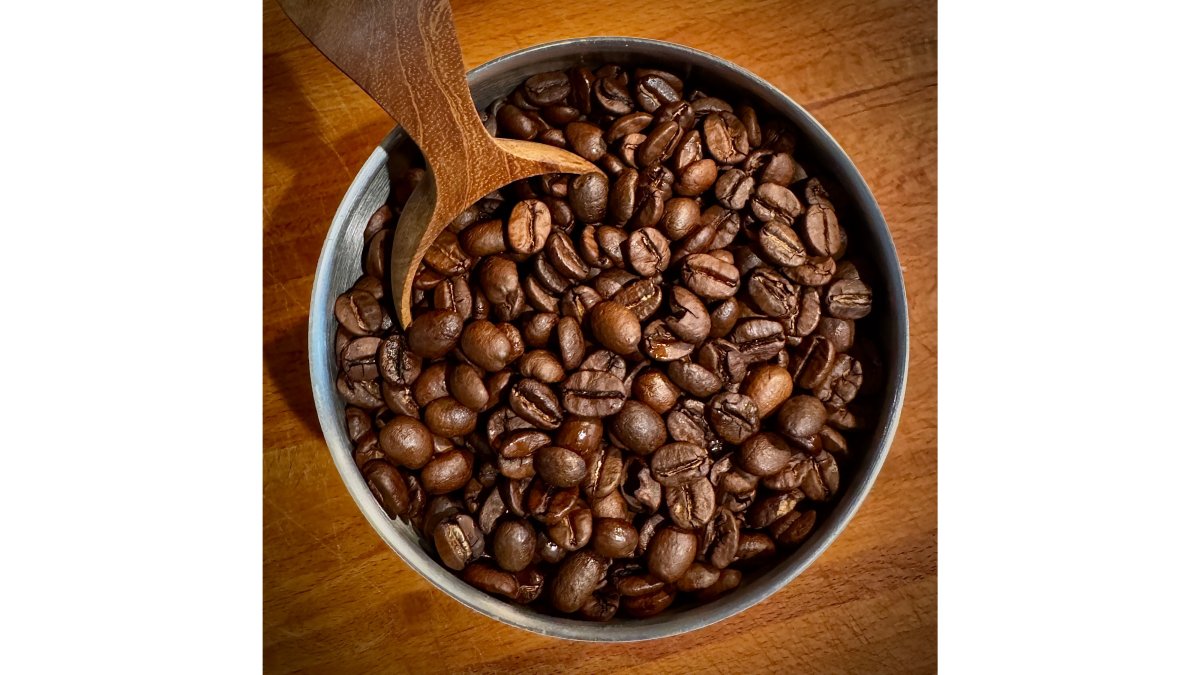
Cold brew concentrate is your secret weapon for multi-day beach trips. Make it at home, pack it in a glass bottle, and you have ready-to-drink coffee requiring no equipment. Mix with water or milk each morning and the brewing problem is solved.
Portable Coffee Makers for Travel
Portable brewing gear for the coast has one job generic travel lists ignore: it must keep working when the air is hot, humid, and salty. Here's what can hold up.
The Aeropress is still the most coast-proof brewer you can pack. It's fully enclosed, so wind and sand can't get into the brew, and it's built from polypropylene that salt air doesn't attack the way it attacks metal. Brew time is roughly three minutes, cleanup is a push of the plunger, and there's no glass to break in a beach bag.
A hand grinder is the difference between fresh and flat. Burr grinders produce consistent particle size, which matters more in variable conditions because inconsistent grounds channel and over-extract. Manual grinders take about five minutes for two cups but need no power and don't overheat in the sun. Grind right before brewing; pre-ground coffee in humid air goes flat within hours.
Temperature control is the gear category nobody talks about for coastal heat. In high humidity and direct sun, standard travel mugs lose heat fast and cold drinks sweat and water down.
Foldable pour-over cones are the lightest option, with a caveat. They pack flat and weigh almost nothing but are open to wind and sand, so they only make sense on a calm day or behind a windbreak. Pair one with a reusable stainless mesh filter, paper filters are useless once damp from sea air.
BEACH HOUSE brûléed orange, dark chocolate, toasted almond →
Travel kettles and portable stoves: a travel kettle heats water in under five minutes and is safer on sand than an open camp stove. If you bring a stove, bring a windbreak, and fill from your cooler rather than an unverified natural source.
What to skip: glass French presses (breakage risk), bare-aluminum gear (corrodes in salt air), and single-use pod machines (bulky and wasteful when a hand grinder and Aeropress weigh less).
A versatile medium roast can travel well because it works across Aeropress, pour-over, and cold brew. Rotate in a brighter light roast for calm-morning pour-overs and a darker roast for windy-day immersion brewing to cover every coastal condition.
Creating Your Coastal Coffee Station
A coastal coffee station starts with the right aesthetic. Display beans in glass containers where light hits them, the visual appeal of freshly roasted coffee is part of the experience. Surfrider Coffee's blends come in resealable bags celebrating surf culture; leave them visible on your counter.
Invest in three quality tools: a burr grinder, a pour-over dripper, and a gooseneck kettle. They can handle many brewing methods and look intentional on a shelf. Arrange them near a window with ocean views or bright natural light.
Add texture with natural materials: wooden serving boards, ceramic mugs, and linen napkins reinforce the coastal aesthetic while staying functional. A small plant or piece of driftwood completes the setup without feeling forced.
Keep your station organized but lived-in. A too-perfect coffee station can discourage daily use, so leave your favorite mug out, keep the grinder on the counter, and let the space reflect actual ritual rather than magazine styling.
Stock one primary blend and one backup. Beach House Blend works as your everyday choice, versatile enough for any method and complex enough to stay interesting. Rotate in Trestles or Mavericks as your secondary depending on season and mood.
The sustainable sourcing story matters in a coastal space. Surfrider Coffee's solar-powered roasting and carbon-neutral methods align with coastal conservation values. Display that commitment visibly, it reinforces why you chose these beans and reminds you daily that your morning ritual supports environmental responsibility.
Finding the right coffee for coastal living means balancing flavor with practicality. Surfrider Coffee's blends, from the bright Trestles to the bold Mavericks, are roasted in California using solar energy and carbon-neutral methods, so every cup supports the coastal conservation values that define this lifestyle. ORDER COFFEE and start building your coastal coffee ritual today.
Frequently Asked Questions
What kind of coffee is best for a relaxed morning by the coast?
Medium roasts with citrusy notes and floral undertones pair perfectly with the coastal lifestyle. Blends like Beach House offer brûléed orange and dark chocolate notes that complement the salt air and ocean breeze of your morning ritual. The smooth, velvety profile works beautifully black or with cream, making it ideal for sipping while watching the waves.
What coffee beans work best for cold brew?
Medium to dark roasts can be ideal for cold brew. Beach House Blend and Mavericks Blend both work well as cold brew options. Their fuller body and chocolate-forward flavor profiles can develop richness during the long steeping process, creating a smooth, naturally sweet concentrate perfect for iced coffee on hot coastal days.
How do you keep coffee fresh in a humid coastal climate?
Store beans in an airtight container away from direct sunlight, heat, and moisture. Keep beans in a cool, dark cabinet rather than on open shelves. Buy smaller quantities more frequently to ensure freshness. Grind just before brewing. Avoid storing near windows or in areas with salt spray exposure.
Is sustainably sourced coffee better for the environment?
Yes. Sustainable sourcing protects soil health, reduces chemical runoff, and preserves ecosystems that affect coastal water quality. Fair Trade and organic certifications ensure ethical practices and environmental stewardship. For coastal communities, supporting carbon-neutral roasting methods directly reduces the carbon footprint contributing to climate change affecting ocean health and beach preservation.