


Quick Summary
A reusable coffee filter improves flavor because it changes how much oil, fine sediment and water flow reach your cup. Paper traps most of the coffee's natural oils for a clean, bright cup, while metal mesh lets them through for a fuller body. Cloth falls in between, so choose the material that matches the taste you want.
- Paper filters trap most coffee oils, giving a clean, light cup with high clarity.
- Metal mesh lets oils and fine particles through, producing a heavier, more textured cup.
- Cloth filters hold back some fines while passing much of the oil, landing between paper and metal.
- Run a blind test with the same coffee, dose and water, then taste each filter twice to confirm results.
- Rinse reusable filters after each brew and deep clean them every week or two to prevent stale oils.
Table of Contents
- What a Reusable Coffee Filter Changes in the Cup
- Metal vs. Cloth vs. Paper Coffee Filters Compared
- How to Use a Reusable Coffee Filter Step by Step
- Why a Stainless Steel Reusable Coffee Filter Works Well
- Cleaning, Lifespan and Long-Term Cost
- Troubleshooting Weak, Bitter or Muddy Brews
- Choosing Your Next Filter for the Cup You Want
- Frequently Asked Questions
Why Does a Reusable Coffee Filter Taste Better?
Last Updated: November 12, 2026
The filter you use shapes what ends up in your cup more than most people expect. A reusable coffee filter for better flavor is one of the simplest upgrades a home brewer can make.
Paper filters trap most of the coffee's natural oils. Metal mesh lets them through. Cloth sits somewhere in between. Those oils carry much of the body, sweetness and aroma you pay for when you buy a good bean, so the filter is not a neutral step.
What a Reusable Coffee Filter Changes in the Cup
A reusable coffee filter changes three things at once: how much oil reaches the cup, how much fine sediment gets through, and how fast water drains through the grounds.
Each of these shifts the flavor. More oil usually means a heavier mouthfeel and a rounder, sweeter finish. Less sediment means a cleaner, brighter cup.
Many home brewers notice the change within a few cups. The coffee tastes fuller, and the flavor notes you paid for come through more clearly.
Metal vs. Cloth vs. Paper Coffee Filters Compared
Paper, cloth, and metal each produce a different cup. No single material wins for every brewer, so the right choice depends on the flavor you want and the brewer you use. The comparison below focuses on what each material actually does to the coffee, then gives you a way to test it yourself.
!Three coffee filters of metal, cloth and paper lined up on a sunlit wooden counter beside a pour-over dripper and a mug of coffee
Coffee Oils, Body and Clarity
Paper filters are dense enough to trap most of the coffee's oils and very fine particles. The result is a clean, light cup where acidity and brightness stand out.
Metal mesh filters pass oils and fine particles. The cup is heavier and more textured, with a richer mouthfeel and a longer finish.
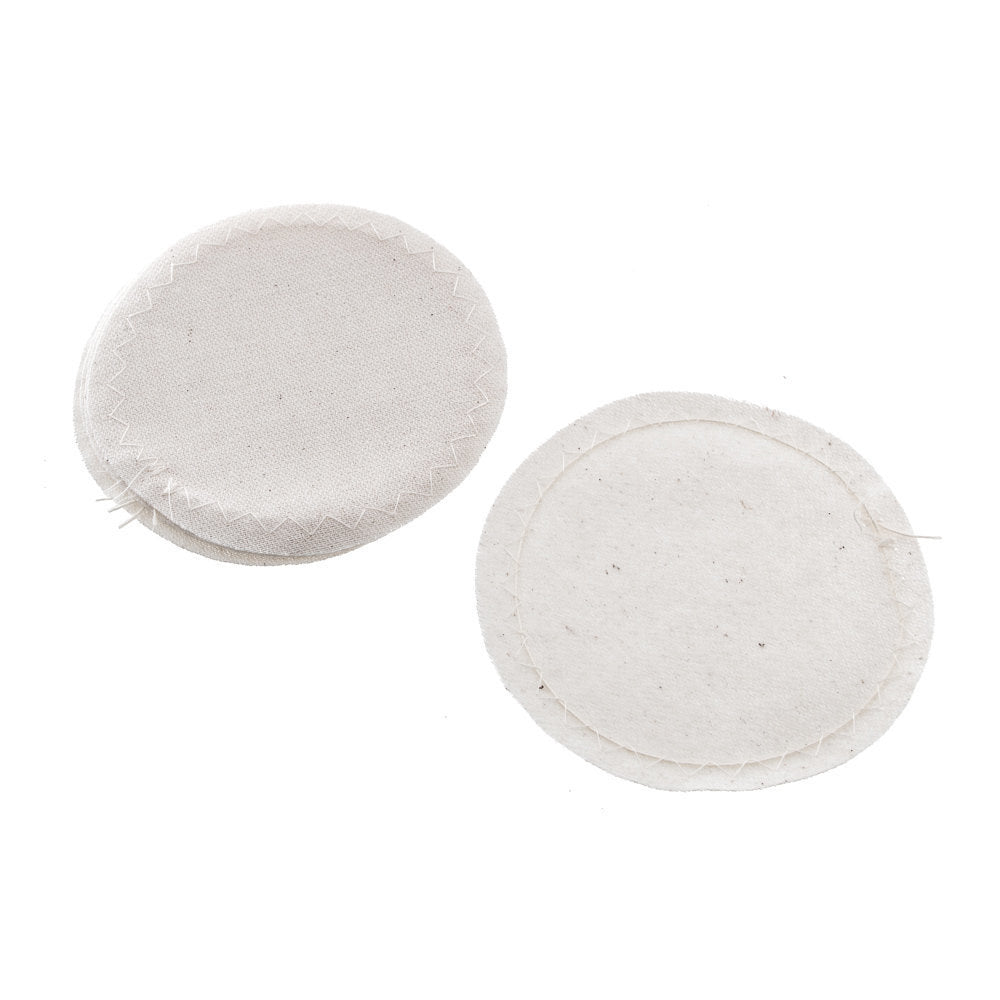
Cloth filters fall between the two. Cloth holds back some fine particles while letting a good share of oil through, so the cup tends to be full but still fairly clean.
The Mechanism Behind the Flavor Difference
Coffee oils carry much of the body, sweetness, and aroma. When a paper filter removes them, you get clarity at the cost of texture. When a metal filter lets them through, you get texture at the cost of some sediment.
Flow rate is the second mechanism. A faster flow (metal) shortens contact time, which can leave the cup brighter and less extracted.
Pros and Cons of Each Material
Paper
- Pros: Cheap, widely available, very clean cup, easy to dispose of.
- Cons: Ongoing cost, waste every brew, can taste papery if not rinsed.
Cloth
- Pros: Reusable, balanced body, good for slow methods like siphon brewing.
- Cons: Needs careful washing, can hold onto old oils and taste stale if not cleaned well.
Metal
- Pros: Reusable, full body, lets the coffee's oils and aromatics come through.
- Cons: More sediment in the cup, can feel gritty, needs regular cleaning to keep flow consistent.
A Controlled Taste Comparison You Can Run at Home
Claims about body and clarity are easy to repeat and hard to verify. Run this test once and you will know which filter suits your palate.
- Use the same coffee, dose, water, and temperature for every brew. Weigh the coffee and water; do not eyeball.
- Brew three cups back to back: one paper, one cloth, one metal, using the same brewer if possible.
- Label the cups and taste blind. Have someone else pour so you do not know which is which.
- Score four things: body (thin to heavy), clarity (muddy to clean), sweetness, and finish length.
- Repeat once. One tasting can be noise; two consistent results tell you something.
Your result may differ with your water and grinder, which is the point of testing.
Filter Choice by Brewer and Preference
- Pour-over cone, clean cup preferred: paper or a tight-weave cloth filter.
- Pour-over cone, full body preferred: metal cone with a coarser grind.
- Drip machine: a metal basket filter for body, paper for clarity; cloth works if you are willing to clean it daily.
Health Context: Cafestol and Filtration
This is a trade-off to discuss with your doctor, not a reason to avoid one filter type entirely.
How to Use a Reusable Coffee Filter Step by Step
Most guides stop at "rinse, add coffee, pour." The steps below are split by material because metal and cloth filters behave differently enough that the same grind and pour will not give you the same cup. Use the metal track for stainless steel cones and baskets, and the cloth track for cotton or hemp filters used in pour-over, siphon, or nel drip setups.
Before You Brew: Setup and Seasoning
- Rinse new filters thoroughly. Metal filters can carry machining residue; cloth filters often carry sizing or lint. Run hot water through a new filter for 30 to 60 seconds, then brew one batch of coffee you plan to discard. This seasons the filter and removes any off-taste.
- Seat the filter flat. A metal cone or basket should sit level in the dripper with no gap around the rim. A cloth filter should be wrung out and seated so the seams do not channel water down one side.
- Preheat the brewer and cup. Hot water through the empty filter and into the server raises the temperature of the whole setup, which keeps extraction consistent on the first pour.
Metal Filter Track: Grind, Dose, and Pour
- Grind: Start one to two steps coarser than you would for a paper filter on the same brewer. Metal mesh passes fines, so a paper-fine grind will slow the flow and leave sediment.
- Dose: Begin at a 1:16 coffee-to-water ratio by weight (for example, 20 g coffee to 320 g water). Metal filters tend to reward a slightly larger dose because the bed itself acts as part of the filtration.
- Bloom: Pour about twice the coffee's weight in water, wait 30 to 45 seconds, then continue.
Cloth Filter Track: Grind, Dose, and Pour
- Grind: Start at a medium grind, slightly finer than the metal track but coarser than espresso. Cloth holds back more fines than metal, so it tolerates a finer grind without turning muddy.
- Dose: Begin at 1:15 to 1:16 by weight. Cloth wicks water and can slow the flow, so a slightly stronger ratio keeps the cup from tasting thin.
- Bloom: Same 30 to 45 second bloom, but pour more gently; cloth can channel if you dump water in fast.
Watch out: A cloth filter that has not been boiled or rinsed in weeks will taste like old oils no matter how good your grind is. If the cup tastes flat or rancid, clean the filter before changing any brewing variable.
Adjusting for Your Brewer
- Pour-over cones: Metal cones favor a coarser grind and faster pours; cloth cones favor a medium grind and slower, gentler pours.
- Drip machines: A metal basket filter in a drip brewer usually needs a medium-coarse grind so the machine's spray head does not over-extract the bed.
- Siphon and nel drip: Cloth is the traditional choice; keep the grind medium-fine and the agitation low so the cloth can do the filtering work.
Change one variable at a time. If you adjust grind and dose together, you will not know which one fixed the cup.
Why a Stainless Steel Reusable Coffee Filter Works Well
Stainless steel is the most common reusable material for good reason. It does not absorb odors or oils the way cloth can, it holds its shape, and it cleans up with hot water and a soft brush.
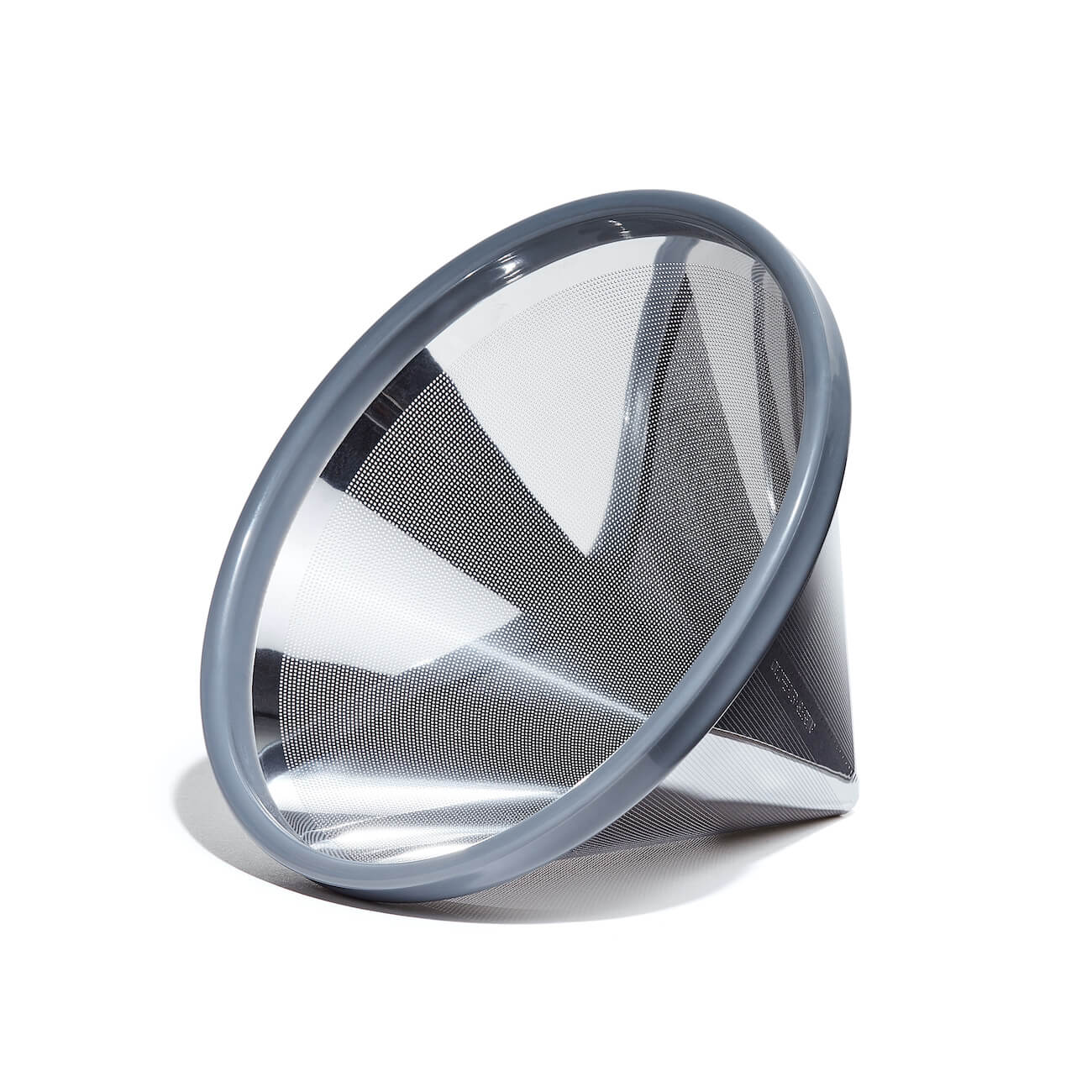
The Kone Reusable Coffee Filter by Able Brewing is a steel option designed for a full batch of coffee, and it is easier to clean than many older permanent filters. For a pour-over setup, the Kalita Wave 155 Stainless Steel Coffee Dripper gives a consistent, even extraction with its flat-bottom wave design.
Cleaning, Lifespan and Long-Term Cost
Reusable filters only keep their flavor benefits if they are cleaned properly. Oils that build up over time turn rancid and make the cup taste stale.
Basic cleaning after each brew
- Rinse with hot water while the filter is still warm.
- Remove grounds with a soft brush rather than scrubbing hard.
Deeper cleaning every week or two
- Soak in a mild solution of warm water and a little coffee-safe cleaner.
- Rinse thoroughly so no soap residue remains.
- For cloth filters, wash by hand and let them air dry fully before storing.
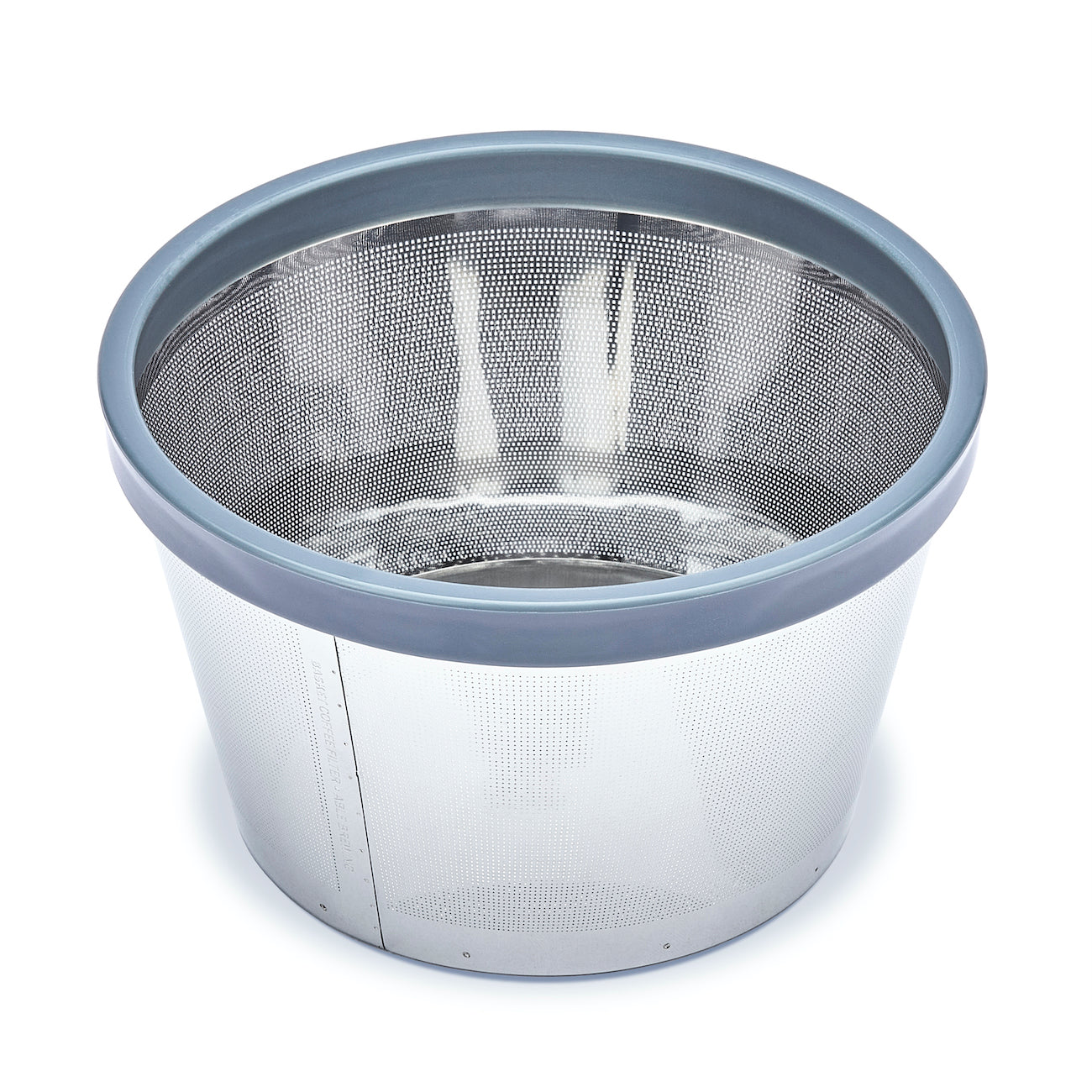
Surfrider Coffee's Able Basket Coffee Filter for Ratio Six and Eight S2 is a reusable, stainless steel filter that works with Ratio Six and Eight brewers.
Keeping a reusable filter clean is what preserves the flavor benefits, and the article's cleaning schedule breaks down as follows.
| Cleaning stage | What to do | How often |
|---|---|---|
| Basic cleaning | Rinse with hot water, brush off grounds gently | After each brew |
| Deeper cleaning | Soak in mild coffee-safe cleaner, rinse thoroughly | Every week or two |
| Cloth filters | Hand wash, air dry fully before storing | After deep cleaning |
Troubleshooting Weak, Bitter or Muddy Brews
If your coffee is not tasting right after switching to a reusable filter, the problem is usually one of four things.
- Weak or sour: The grind is too coarse, or the brew is too fast. Go finer, or slow the pour.
- Bitter or harsh: The grind is too fine, or the brew is too slow. Coarsen the grind slightly and pour more gently.
- Muddy or gritty: Metal filters let fine particles through. Use a slightly coarser grind, or let the coffee settle for a minute before drinking.
Change one variable at a time so you can see what actually improved the cup. If troubleshooting leaves you wanting a more hands-on setup, our Big Wave Coffee Club sends new beans regularly, so you can keep dialing in your brew with fresh coffee.
Choosing Your Next Filter for the Cup You Want
Pick the filter by the cup you want to drink. If you like a clean, bright cup, paper or a fine cloth filter fits best.
For a steel filter that works with a Ratio brewer, the Kone Reusable Coffee Filter by Able Brewing is our pick. If you are still learning how to find beans worth brewing in the first place, 7 Steps to Find Specialty Coffee Beans Near You is a useful place to start.
Once you taste the difference a reusable filter makes, the cup is hard to go back from.
BUTTON: Shop Reusable Filters CARD_TITLE: Want fuller flavor every morning? CARD_TEXT: Surfrider Coffee roasts craft coffee in California with solar power, built for brewers who value taste and the coast.
Frequently Asked Questions
Are reusable coffee filters better?
They depend on what you want from the cup. A reusable coffee filter, whether metal or cloth, lets more of the coffee's natural oils and fine particles pass into the brew, which usually gives a heavier body and a fuller mouthfeel. Paper absorbs most of those oils, so the result tends to be lighter and cleaner. Reusable options also cut down on single-use waste and cost less per brew over time. If you prefer a bright, tea-like cup, paper may still suit you better. Try both with the same beans and compare.
Do coffee filters make coffee taste better?
The filter changes flavor mainly by controlling which oils and sediment reach your cup. Paper removes more of them, producing clarity and a crisper finish. A reusable coffee filter made of stainless steel or cloth keeps more body and texture, which many people describe as richer. Neither is objectively better. The best choice depends on whether you want a clean, bright cup or a heavier, fuller one. Running a controlled comparison with identical beans and brew settings is the most reliable way to decide.
How do you clean a reusable coffee filter?
Rinse the filter right after brewing to keep grounds and oils from drying on the mesh. Then wash it with warm water and a small amount of mild dish soap, using a soft brush to clear the holes. Cloth filters should be rinsed well and air dried completely to prevent odors. Stainless steel filters can usually go in the dishwasher, though hand washing extends their life. Replace cloth filters when they thin, stain permanently or hold odors after cleaning.
Can you use a reusable coffee filter with any coffee maker?
Not always. Reusable filters are sized for specific brewers, so check the diameter and basket shape before buying. Basket filters such as the Able Basket fit Ratio Six and Ratio Eight brewers, while the Kalita Wave 155 requires its matching Wave 155 filters. Cloth filters are designed for siphon brewers such as the Yama models. Measure your brewer or check the product listing for compatible models before ordering.
