


Table of Contents
- What Makes Coffee Beans Sustainable
- Understanding Sustainable Coffee Certifications
- Top Sustainable Coffee Beans for Home Brewing
- Eco-Friendly Coffee Brewing Methods
- Building a Zero-Waste Coffee Routine
- Composting Coffee Grounds and Filters
- How to Choose Sustainable Coffee Beans
- Frequently Asked Questions
Last Updated: October 16, 2026
What Makes Coffee Beans Sustainable
Sustainable coffee beans are grown using methods that protect the environment, support farmer livelihoods, and maintain biodiversity in coffee-growing regions.
At Surfrider Coffee, we believe sustainable sourcing is non-negotiable. When you choose sustainable coffee beans, you're supporting agricultural practices that preserve ecosystems, reduce chemical pesticide use, and ensure that the people growing your morning cup earn fair wages for their work.
The challenge most coffee drinkers face is knowing what "sustainable" actually means. Greenwashing is rampant in the coffee industry, brands slap environmental labels on products without meaningful impact.
Understanding Sustainable Coffee Certifications
Certifications matter, but only when you know what they represent. The most credible sustainable coffee certifications come with third-party verification and measurable standards. Here's what each one actually guarantees.
Fair Trade and Farmer Compensation
Fair Trade certification ensures that coffee farmers receive a minimum price for their beans, protecting them from volatile market swings (Fairtrade International secures a stronger safety net for coffee farmers).
Fair Trade standards require direct relationships between buyers and farmer cooperatives, eliminating exploitative middlemen. Beyond price, Fair Trade invests premiums into community projects: schools, healthcare facilities, and infrastructure improvements in coffee-growing regions.
When you buy Fair Trade certified coffee, you're funding real change. Our Beach House Blend carries Fair Trade certification, supporting farmer cooperatives across multiple origins at elevations between 1,400 and 2,200 meters.

Organic Certification and Pesticide Avoidance
Organic certification prohibits synthetic pesticides, herbicides, and fertilizers. For coffee farmers, this means managing soil health through composting, shade trees, and natural pest control instead of chemicals.
The real benefit isn't just what's absent from your cup, it's what's preserved in the soil and water systems surrounding coffee farms. Conventional coffee farming uses significant chemical inputs that can contaminate groundwater and harm biodiversity.
Organic certification requires third-party audits and a multi-year transition period before farms can be certified. This creates a genuine barrier to greenwashing. When you see organic certification on coffee, you're looking at farms that have invested years in changing their practices.
Bird-Friendly and Biodiversity Standards
Shade-grown coffee farms sequester more carbon, reduce water runoff, and preserve the ecological integrity of coffee-growing regions. A Bird-Friendly farm looks less like a monoculture plantation and more like a forest with coffee plants underneath. The trade-off is lower yield per acre, which is why shade-grown coffee costs more. But that premium directly reflects the environmental and ecological value the farm is protecting.
Top Sustainable Coffee Beans for Home Brewing
Finding the right sustainable coffee beans for home brewing means matching certifications and sourcing practices to your brewing method and flavor preferences. These three options represent different approaches to sustainability, each with distinct sourcing stories and brewing versatility.
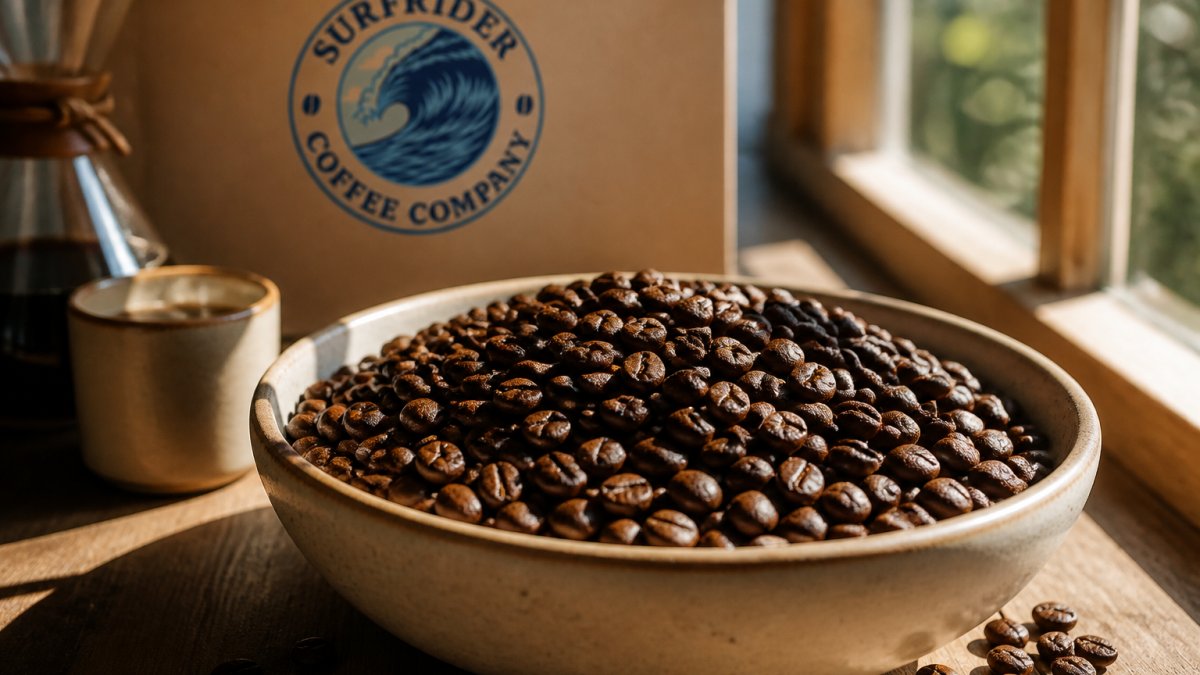
Beach House Blend: Versatile Fair Trade Medium Roast
Our signature Beach House Blend is a Fair Trade, organic medium roast that works across nearly every brewing method.
The flavor profile, brûléed orange, dark chocolate, and toasted almond, appeals to both black coffee drinkers and those who add cream. This versatility is intentional. A great sustainable coffee shouldn't force you into one brewing style.
Fair Trade certification means every bag supports farmer cooperatives directly. The medium roast preserves the origin characteristics while delivering the body and sweetness most home brewers prefer. At $23.00 per bag, this is our most accessible entry point to certified sustainable coffee.
Ethiopia Shanta Golba Natural: Single-Origin with Community Impact
This single-origin Ethiopian Heirloom coffee represents the transparency that real sustainability demands.
What makes this coffee exceptional isn't just the flavor, boysenberry, lavender, and sweet cream, but the documented community infrastructure behind it.
This level of transparency is rare. You're not buying coffee from an abstract "ethical" brand; you're supporting a specific community with documented needs and measurable improvements. The natural process imparts a distinctive fruity character that works beautifully in pour-overs and single-origin espresso.
Sumatra Buana Mandiri: Cooperative-Grown Semi-Washed
The Sumatra Buana Mandiri comes from a young cooperative established in 2014 with around 1,300 members farming at 1,200-1,400 meters on the slopes of Mount Leuser, one of the world's most biodiverse ecosystems.
Buana Mandiri distributes protective equipment, fertilizer, seedlings, and shade trees while supporting members through their own local mill.
The wet-hulling method is distinctive, it produces a creamy, full-bodied cup that stands up well in French press and espresso. At $23.00 per bag, this coffee supports a cooperative model that's building sustainable practices into their foundation rather than retrofitting them later.
Eco-Friendly Coffee Brewing Methods
How you brew matters as much as where your beans come from. The most sustainable brewing approach minimizes waste while maximizing flavor extraction and freshness.
Reusable Filters and Equipment
Paper filters create waste, thousands of filters end up in landfills annually from coffee drinkers who brew daily. Reusable filters eliminate this entirely while often improving flavor by allowing beneficial coffee oils to pass through.
The Able Basket Coffee Filter for Ratio Six and Eight is engineered stainless steel designed for optimal water flow and extraction. The Kone Reusable Coffee Filter by Able Brewing ($39.50) offers a custom permanent filter for the Ratio Eight, specifically optimized for 40-ounce batches.

For AeroPress users, the AeroPress Standard Natural Paper Micro-Filters are made from natural, unbleached paper and are fully compostable, a middle ground if you prefer the convenience of disposable filters.
The real sustainability win comes from committing to reusable equipment. Once you switch to a metal or permanent filter, you eliminate the recurring waste and expense of paper filters entirely.
Whole Bean vs. Pre-Ground for Freshness
Grinding whole beans at home with a burr grinder can produce noticeably better coffee. The sustainability advantage: whole bean coffee maintains quality longer. You're also getting better flavor, which means you're less likely to waste coffee that tastes stale.
For home brewing, whole bean is the clear choice. Grind immediately before brewing to capture the full complexity of sustainable, carefully sourced coffee.
Building a Zero-Waste Coffee Routine
A sustainable coffee routine extends beyond the beans. Packaging, filters, and grounds all contribute to your total environmental impact.
Choosing Sustainable Packaging
Coffee bags should protect freshness while minimizing waste. Look for packaging that uses recycled materials and is itself recyclable or compostable.
Avoid single-use pods and capsules. They're convenient but generate waste. A reusable pod system is a compromise if you prefer the speed of capsules, but whole bean with a manual or electric grinder remains a low-waste option.
When ordering online, bulk purchasing reduces packaging waste per serving. Buying three bags at once means one shipment instead of three, reducing cardboard and padding materials.
Minimizing Single-Use Waste
Beyond filters and packaging, examine your entire brewing ritual. Do you use paper towels to dry your reusable filter? Switch to a cloth towel. Do you buy single-use coffee pods? Switch to whole bean and a reusable filter system.
The compounding effect of small changes is significant. Over a year, a daily coffee drinker who switches to reusable filters, whole bean, and sustainable packaging can reduce their waste stream.
Composting Coffee Grounds and Filters
Used coffee grounds are nutrient-rich compost material. Composting them closes the loop on your coffee routine and creates value from what would otherwise be waste.
Coffee grounds are nitrogen-rich (green material in composting terms) and accelerate decomposition in home compost bins (the EPA). If you use natural, unbleached paper filters, those compost too.
If you don't have a home compost system, many local composting programs accept coffee grounds. Check your municipality's composting guidelines, many accept grounds even if they don't accept other food waste.
For apartment dwellers without outdoor space, coffee grounds can be added to potted plants or donated to community gardens.
How to Choose Sustainable Coffee Beans
Selecting sustainable coffee beans for home brewing requires reading beyond marketing claims and understanding what certifications actually guarantee.
Reading Labels and Sourcing Information
A credible coffee bag should list:
- The specific region or farm name
- Elevation (indicates specific terroir)
- Processing method (washed, natural, semi-washed)
- Cultivar or varietal names
- Certifications with issuing organizations
- Roast date
If a bag is vague about origin ("Central American blend" without specific countries or regions), that's a red flag. Transparency signals confidence in sourcing practices.
Fair Trade, organic, and Bird-Friendly certifications should appear as logos with verifiable issuing organizations. A bag claiming "ethically sourced" without third-party certification is making an unverifiable claim.
Evaluating Transparency and Traceability
The gold standard in sustainable coffee is traceability, the ability to trace your bag back to the specific farm or cooperative that grew it.
Ask yourself: Can I find information about the cooperative or farm on the roaster's website? Are there photos or stories from the origin?
Roasters who invest in transparency are signaling that they have nothing to hide. They've built direct relationships with farmers and can tell the story of how your coffee was grown.
| Selection Criteria | What to Look For | Red Flag |
|---|---|---|
| Certifications | Fair Trade, Organic, Bird-Friendly logos from recognized organizations | "Ethically sourced" with no third-party verification |
| Origin Information | Specific region, farm name, elevation, processing method | "Blend" or "Central American" without details |
| Roast Date | Roasted within a reasonable timeframe of purchase | "Best by" date instead of roast date |
| Brewing Guidance | Recommendations for grind size and brew method | No guidance provided |
| Sourcing Story | Cooperative name, farmer impact, community projects | Generic sustainability claims |
Sustainable coffee beans for home brewing represent a choice to support farming practices that protect ecosystems and farmer livelihoods.
Choosing sustainable coffee means investing in practices that matter. Explore our collection of certified sustainable coffee beans and discover how quality, flavor, and environmental responsibility can coexist in your daily brew. ORDER COFFEE
Frequently Asked Questions
What makes coffee beans sustainable?
Sustainable coffee beans come from farms that prioritize environmental health, farmer welfare, and long-term viability. This includes organic farming without synthetic pesticides, fair compensation for farmers, and responsible water use. Certifications like Fair Trade and organic verify these practices. Single-origin coffees with transparent sourcing, like Ethiopia Shanta Golba Natural, which supports over 1,200 smallholder farmers, demonstrate commitment to both quality and sustainability.
Which sustainable coffee certifications should I look for?
Key certifications include Fair Trade (ensures farmer compensation) and organic (prohibits synthetic pesticides). Fair Trade certification guarantees minimum prices and direct trade relationships. Organic certification means no toxic chemicals. Look for coffees with multiple certifications, like Beach House Blend, which carries both Fair Trade and organic labels. Transparency about sourcing, knowing the farm, region, and processing method, matters as much as formal labels.
Can coffee grounds be composted?
Yes, coffee grounds compost easily and quickly. They're nitrogen-rich and break down within weeks, making them excellent for home compost bins or municipal composting programs. Used grounds from any brewing method work well. If you use paper filters, check if they're unbleached or compostable, most are. AeroPress Standard Natural Paper Micro-Filters are biodegradable and compostable, so both grounds and filters can go into compost together. This diverts waste from landfills and creates nutrient-rich material for gardens.
What is the most sustainable way to brew coffee at home?
Use whole bean sustainable coffee with a reusable filter system. Reusable stainless steel filters like the Able Basket or Kone eliminate paper waste and are built to last. Grind beans fresh before each brew to maximize flavor and reduce packaging waste. Avoid single-use pods and paper filters when possible. Brew only what you'll drink to minimize waste. Compost any grounds and filters afterward. This combination, sustainable beans, reusable equipment, and waste management, creates a complete eco-friendly routine from purchase to disposal.
How can I tell if coffee beans are ethically sourced?
Look for certifications (Fair Trade, organic, Bird-Friendly) and detailed sourcing information on the package or website. Ethical brands share the farm name, region, elevation, and farmer details. Sumatra Buana Mandiri coffee, for example, identifies the cooperative (1,300 members), location (Bener Meriah), and specific support provided (agronomy training, healthcare, protective equipment). Ask roasters about their supply chain relationships and whether they work directly with farmers or cooperatives. Transparent brands are proud to share this information; vague sourcing claims are a red flag.