


Table of Contents
- The Real Price of Sustainable Coffee
- Why Is Organic Coffee More Expensive: Certification and Farming Practices
- Fair Trade Coffee Prices and What Farmers Actually Receive
- Climate Pressures and Supply Chain Costs
- Quality, Specialty Grading, and Sustainable Sourcing
- How to Choose Sustainable Coffee on Your Budget
- Does Higher Price Actually Benefit Farmers?
- Frequently Asked Questions
Last Updated: October 18, 2026
The Real Price of Sustainable Coffee
Sustainable coffee costs more. Anyone who's stood in front of a coffee shelf knows this. But the real question is why, and whether that premium actually means something.
At Surfrider Coffee, we look to source beans from farmers who prioritize environmental stewardship and fair wages. Sustainable coffee prices reflect genuine, measurable differences in how beans are grown, harvested, and processed. The higher cost isn't marketing, it's economics.
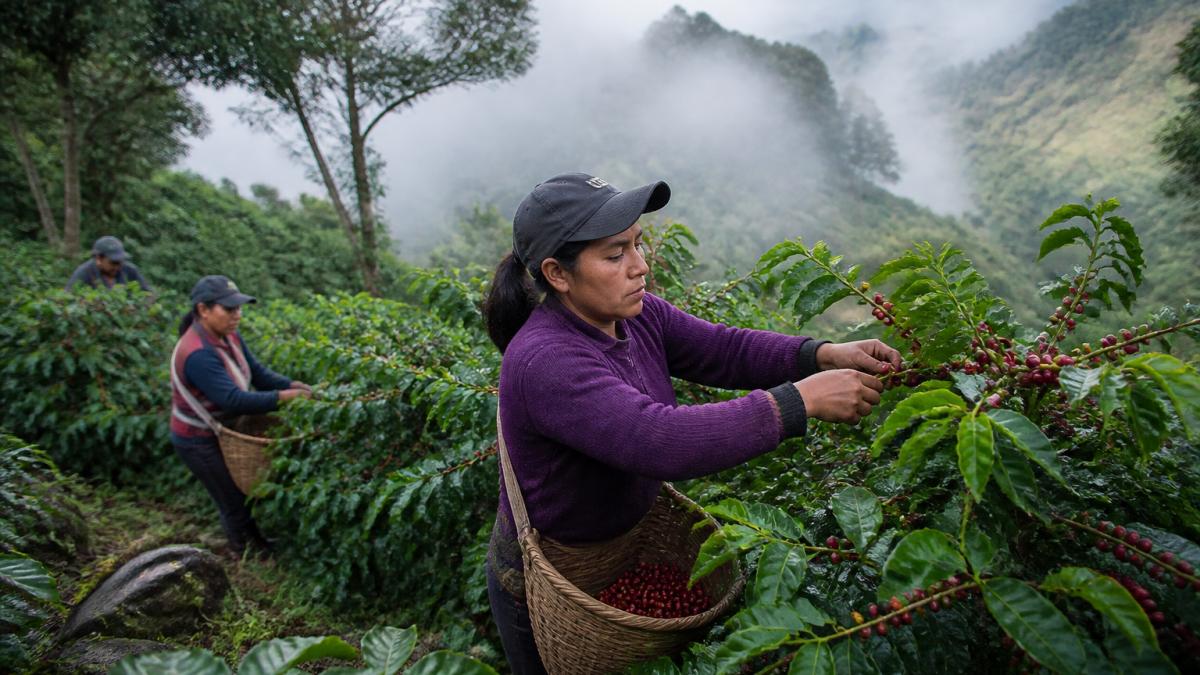
The difference starts at the farm. Sustainable production requires more labor, better soil management, and often lower yields per acre. A farmer practicing shade-grown cultivation harvests fewer beans per plant than one using full-sun monoculture, but that coffee supports biodiversity, sequesters more carbon, and produces more complex flavor. That trade-off has a price.
Then comes certification. Fair Trade, organic, and specialty grading require third-party audits, documentation, and strict standards. These cost money, sometimes thousands per farm annually, and get passed through the supply chain, verification that conventional coffee simply doesn't require.
Why Is Organic Coffee More Expensive: Certification and Farming Practices
Organic certification is the most visible reason sustainable coffee costs more. The USDA standard prohibits synthetic pesticides, herbicides, and fertilizers, so farmers rely on natural pest management, composting, and crop rotation, labor-intensive practices demanding more time and expertise.
Converting a farm to organic takes years. During the transition, farmers earn conventional prices while incurring organic costs, and many small producers never recover. Those who do invest face ongoing compliance costs: soil testing, record-keeping, and annual inspections.
The yield penalty is real. Organic farms typically produce 20-30% less coffee per acre than conventional farms using synthetic inputs. That means a farmer growing organic coffee on the same land earns less total revenue per harvest, so the per-pound price must be higher just to maintain comparable income.
Specialty grading adds another layer. Sustainable coffee is often specialty-grade: consistent bean size, minimal defects, and cupped scores above 80 points. That requires skilled labor to sort, test, and evaluate beans, work commodity coffee skips, which is why it's cheaper.
Fair Trade Coffee Prices and What Farmers Actually Receive
Fair Trade certification guarantees a minimum price floor for farmers. It sounds simple, but the minimum price doesn't necessarily translate to higher farmer income.
Fairtrade International sets a Minimum Price for washed arabica, plus an organic differential, plus the Fairtrade Premium, a fixed per-pound sum paid to the cooperative, which votes on how to spend it (school fees, equipment, a water system, a credit fund). The minimum protects against a commodity crash; the premium is community investment; the differential offsets the organic yield penalty. Three line items, three purposes.
The Minimum Price is a floor, not a ceiling. When the C-price (the benchmark arabica futures price) trades above it, buyers pay market price plus the premium; when the C-price collapses, the floor becomes a genuine safety net. In a high-market year, certification mostly buys traceability and the cooperative premium; in a low-market year, it buys farmer survival.
The honest limitation: the Minimum Price is set globally, but living costs vary by region, and it's denominated per pound of green coffee, it doesn't adjust for household size, land tenure, or debt. Certification also costs money to maintain, and for very small plots those fixed costs can eat a meaningful share of the premium. That's why some cooperatives exit certification and pursue direct relationships instead.
What reaches the farmer depends on the supply chain between cooperative and cup. Trace a single bag: a 12 oz bag of certified sustainable single-origin retailing at $18-$24 divides roughly into green coffee cost (farmer and cooperative share, plus export and milling), freight and logistics, roasting (gas, electricity, and the 12-20% weight loss from roasting), packaging, and retail margin.
BEACH HOUSE brûléed orange, dark chocolate, toasted almond →
That's not an argument against certification, it's an argument for knowing which lever you're pulling. If farmer income is the goal, the levers that move it most are a roaster who publishes farmgate prices or cooperative names, long-term contracts that let a farmer plan, and payment timing (paying on delivery matters enormously to a smallholder with no credit access). Certification is a useful floor and signal, not a guarantee of a living wage.
Surfrider Coffee addresses this by sourcing from cooperatives and farms we've vetted directly, ensuring farmers earn wages that reflect their local cost of living and the quality of their work.
Climate Pressures and Supply Chain Costs
Climate change is reshaping coffee geography. Erratic rainfall, shifting seasons, and temperature fluctuations are making traditional regions less reliable. Farmers are adapting by moving to higher elevations, experimenting with shade-grown systems, and investing in water management, all of which costs money.
Supply chain disruptions compound the problem. Transportation costs remain elevated, and port congestion, fuel prices, and logistics complexity add friction. Sustainable coffee often travels through longer, more transparent supply chains, fewer middlemen means more traceability, but higher per-unit logistics costs.
Processing methods also drive costs. Washed processing, which produces cleaner, brighter cups, requires significant water and labor. Natural and honey methods demand higher-trained workers. The best sustainable coffees use these methods because they produce superior flavor, and superior flavor requires superior execution, which costs more.
Quality, Specialty Grading, and Sustainable Sourcing
Here's what most people miss: sustainable coffee is usually specialty coffee. The categories overlap significantly, because both require the same mindset, attention to detail, long-term thinking, and prioritizing outcomes over quick profits.
But "usually" is doing a lot of work in that sentence, and the fastest way to understand the price gap is to put the two systems side by side.
Dimension |
Conventional commodity coffee |
Sustainable specialty coffee |
|---|---|---|
Growing system |
Full-sun monoculture, synthetic inputs common |
Shade-grown or polyculture, compost and natural pest management common |
Yield per acre |
Higher |
Typically lower, organic systems commonly run well below conventional yields |
Harvest |
Often strip-picked, ripe and unripe together |
Selective hand-picking of ripe cherries |
Processing |
Whatever is cheapest at the mill |
Washed, natural, or honey methods chosen for cup quality |
Grading |
Minimal; sold on commodity grade |
Cupped and scored; specialty typically means 80+ points |
Traceability |
Blended, origin often pooled |
Lot-level, often single-farm or single-cooperative |
Certification cost |
None |
Third-party audit, inspection, and record-keeping fees |
Farmer price basis |
C-price, minus deductions |
Contract price, often with a floor and premium |
What you taste |
Consistent but flat |
More complexity, clarity, and origin character |
Every row where sustainable coffee costs more is a row where someone did more work. Selective picking means passing over the same tree multiple times. Shade-grown means less sun per plant and lower yield per acre. Lot-level traceability means separate storage, milling, and paperwork. None of that is marketing overhead, it's labor and capital commodity coffee doesn't incur.
A coffee cupped at 84 points versus 78 isn't marginally better; it's noticeably superior in complexity, balance, and flavor clarity. That difference comes from better farming, more careful harvesting, and more precise processing, the same practices that make coffee sustainable. The two premiums aren't additive; they're often the same premium viewed from two angles.
Sourcing specialty coffee requires expertise. Importers and roasters spend time at origin building relationships with farmers and selecting lots that meet strict standards, relationship-based sourcing that costs more than commodity buying, where price is the only negotiation point.
That's why the practical question isn't "is sustainable coffee worth the premium?" but "which premium am I paying?" If you're paying for selective harvesting, shade-grown systems, and lot-level traceability, you're paying for things you can taste and things a farmer was paid to do. If you're paying for a logo on a bag with no named farm behind it, you may be paying for the logo.
How to Choose Sustainable Coffee on Your Budget
Sustainable coffee doesn't require unlimited spending. Strategic choices let you prioritize sustainability without breaking your budget.
Start by understanding which certification matters to you. Fair Trade addresses farmer income, organic addresses pesticide use, shade-grown addresses biodiversity. You don't need all three, choose one or two that align with your values, then prioritize roasters who emphasize those practices. If farmer income is your priority, Fair Trade alone is a reasonable starting point.
BEACH HOUSE brûléed orange, dark chocolate, toasted almond →
Buy whole beans instead of pre-ground. Whole beans stay fresher longer, so you waste less. A bag of whole beans costs the same as pre-ground but delivers more usable coffee per dollar.
Consider single-origin coffees from smaller roasters, which often have direct farmer relationships, lower supply chain costs, and more transparent pricing. Surfrider Coffee's Sumatra Buana Mandiri, sourced from a cooperative that has prioritized sustainability since its founding, delivers specialty-grade quality at $23 per bag.

Brew better. Sustainable coffee deserves proper brewing. A good grinder and consistent technique extract more flavor per bean, which means you need less coffee to achieve satisfaction. Better extraction effectively reduces your per-cup cost.
Does Higher Price Actually Benefit Farmers?
This is the question that matters most, and the answer is: sometimes, but not automatically.
A higher retail price doesn't guarantee higher farmer income. A coffee that costs $24 at retail might return only $3-4 to the farmer after importers, distributors, and roasters take their margins. The farmer's share depends on the supply chain structure.
Direct trade relationships improve farmer income more reliably than certification alone. When roasters buy directly from farmers or small cooperatives, eliminating middlemen, a larger percentage of the retail price flows back to origin. This is why Surfrider Coffee emphasizes direct sourcing and transparency about where beans come from.
Consistency matters more than one-time premiums. A farmer earning a fair price every harvest can invest in farm and community; one-time price spikes don't build long-term security. Programs guaranteeing minimum prices and long-term purchasing relationships create the stability farmers need to commit to better practices.
The most honest answer: higher prices create the potential for better farmer outcomes, but only when supply chains are transparent and roasters are genuinely committed to farmer welfare. Not all expensive coffee benefits farmers. Not all cheap coffee exploits them. The difference is in the sourcing story and the roaster's willingness to share specific information about where the coffee comes from and what farmers received.
Choosing sustainable coffee means accepting that higher prices reflect real costs: certification, labor, climate adaptation, and supply chain transparency. It also means your purchase supports farmers practicing better stewardship and produces a cup with more complexity and character. At Surfrider Coffee, we source beans like our Sumatra Buana Mandiri from cooperatives committed to sustainability from inception, ensuring your premium goes toward genuine impact. When you understand what you're paying for, the price makes sense.
Frequently Asked Questions
Why is sustainable coffee more expensive than conventional coffee?
Sustainable coffee carries higher costs throughout production: organic certification requires third-party verification, fair trade premiums guarantee farmers earn livable wages, and climate-resilient farming methods demand more labor and care. Additionally, specialty-grade beans and transparent supply chains add processing and traceability expenses. These costs reflect the real value of environmental stewardship and farmer support.
Does paying more for fair trade coffee mean farmers earn more?
Fair trade certification ensures a minimum price floor for coffee farmers, typically higher than commodity-market rates. However, the full price premium doesn't always reach farmers—some goes to certification bodies, importers, and roasters. Direct-trade models and cooperative partnerships tend to pass more of the premium directly to producers.
Is organic coffee worth the extra cost?
Organic certification eliminates synthetic pesticides and fertilizers, protecting soil health, water systems, and farmer health. For consumers, organic coffee often delivers cleaner flavor profiles because sustainable farming practices preserve the beans' natural characteristics. If environmental impact and health matter to you, the premium reflects real costs of verification and regenerative practices, making it a worthwhile investment.
How can I tell if coffee is actually sustainably sourced?
Look for third-party certifications like Fair Trade, Rainforest Alliance, or organic labels—these require independent audits. Ask roasters directly about farmer relationships and pricing.