

Table of Contents
- What Carbon Neutral Coffee Actually Means
- How Coffee Emissions Are Measured: Farm to Cup
- Carbon-Neutral Coffee Roasting Methods
- Understanding Coffee Sustainability Certifications
- Sustainable Coffee Brands That Deliver Quality
- Carbon-Offset Coffee and Verification Methods
- How to Verify Carbon-Neutral Claims Before Buying
- Pricing, Taste, and Practical Buyer Guidance
- Frequently Asked Questions
Last Updated: October 5, 2026
What Carbon Neutral Coffee Actually Means
When you buy carbon neutral coffee online, you're purchasing beans where the total greenhouse gas emissions generated during production, roasting, shipping, and delivery have been measured and offset.
The distinction matters. Carbon-neutral coffee accounts for the full supply chain: from the farm where beans grow, through processing and roasting, all the way to your door.
At Surfrider Coffee, we measure our carbon footprint across every step and offset what we can't eliminate. Our solar-powered roasting facility in California cuts energy emissions significantly, and we track the remaining impact from sourcing, packaging, and shipping to ensure our beans truly deliver on the carbon-neutral promise.
The carbon footprint of coffee is real. It starts in the field and compounds through every stage of the value chain. Understanding what carbon neutral actually means helps you make informed choices when ordering online.
How Coffee Emissions Are Measured: Farm to Cup
Coffee emissions measurement follows a structured framework that tracks greenhouse gas emissions across the entire supply chain. The industry uses standardized protocols to quantify impact at each stage, from crop cultivation through final delivery.
Scope 1 and Scope 2 Emissions in Coffee Production
Scope 1 emissions come directly from the farm itself: fuel burned in farm equipment, methane from soil and fertilizer, and energy used for processing. These are the hardest to eliminate because they're inherent to growing coffee in tropical climates.
Scope 2 emissions result from purchased electricity and energy used at processing facilities, roasting plants, and warehouses. This is where renewable energy makes the biggest impact. A roastery powered by solar panels (like ours at Surfrider Coffee) dramatically reduces Scope 2 emissions compared to grid electricity from fossil fuel sources.
Coffee farms in places like Ethiopia, Sumatra, and Peru generate emissions through land use, fertilizer application, and water processing. The wet-hulled process used for coffees like our Sumatra Buana Mandiri, which uses water to remove the fruit layer, is more energy-intensive than natural processing but produces that distinctive full-bodied cup many prefer.

Shipping, Packaging, and Delivery Impact
International shipping accounts for a significant portion of a coffee's carbon load. A bag of beans traveling from Indonesia to the United States generates emissions through fuel consumption on cargo ships and planes, plus trucking for last-mile delivery.
Packaging materials matter too. Compostable or recyclable bags reduce waste impact, though the material itself has a carbon cost. Consolidating shipments, ordering larger quantities less frequently, cuts per-unit delivery emissions.
When you buy carbon neutral coffee online, the company should account for these logistics emissions in their offset calculations. Some businesses offer free shipping to encourage larger orders, which paradoxically reduces total carbon impact by cutting delivery trips.
Carbon-Neutral Coffee Roasting Methods
The roasting process transforms green beans into the coffee you brew, and it's one of the most energy-intensive steps in production.
Solar-powered roasting represents the cleanest approach available today. By harnessing direct sunlight through thermal collection systems, roasters eliminate fossil fuel combustion entirely during the roasting phase.
Energy-efficient roasters use advanced insulation and heat recovery systems to minimize fuel consumption. Even gas-powered roasters can reduce their carbon footprint by 20-30% through better engineering and process optimization.
The roasting method doesn't change the final taste, it's the temperature curve and timing that matter, not the heat source. A solar-roasted bean tastes identical to one roasted with natural gas, assuming the roaster follows the same profile.
Understanding Coffee Sustainability Certifications
Certifications provide third-party verification that coffee meets specific environmental and social standards. They're your clearest signal that carbon-neutral and sustainability claims are real, not just marketing language.
Fair Trade, Organic, and Verified Offset Labels
Fair Trade certification ensures farmers receive minimum prices and work under improved conditions. It addresses the human side of sustainability, ethical sourcing and farmer welfare, rather than carbon specifically.
Organic certification means the farm avoided synthetic pesticides and fertilizers, reducing chemical runoff and soil degradation. Organic practices often lower emissions compared to conventional agriculture, though certification doesn't directly measure carbon footprint.
Verified offset labels (from bodies like Verra or Gold Standard) confirm that offset projects actually remove carbon as promised.
Look for coffees that combine multiple certifications. Our Beach House Blend carries both Fair Trade and Organic labels, signaling commitment to both environmental and social responsibility.

Sustainable Coffee Brands That Deliver Quality
When you buy carbon neutral coffee online, you're choosing between brands with varying levels of commitment and transparency. The best options combine genuine emissions reduction with quality that justifies the price.
Beach House Blend: Fair Trade Medium Roast
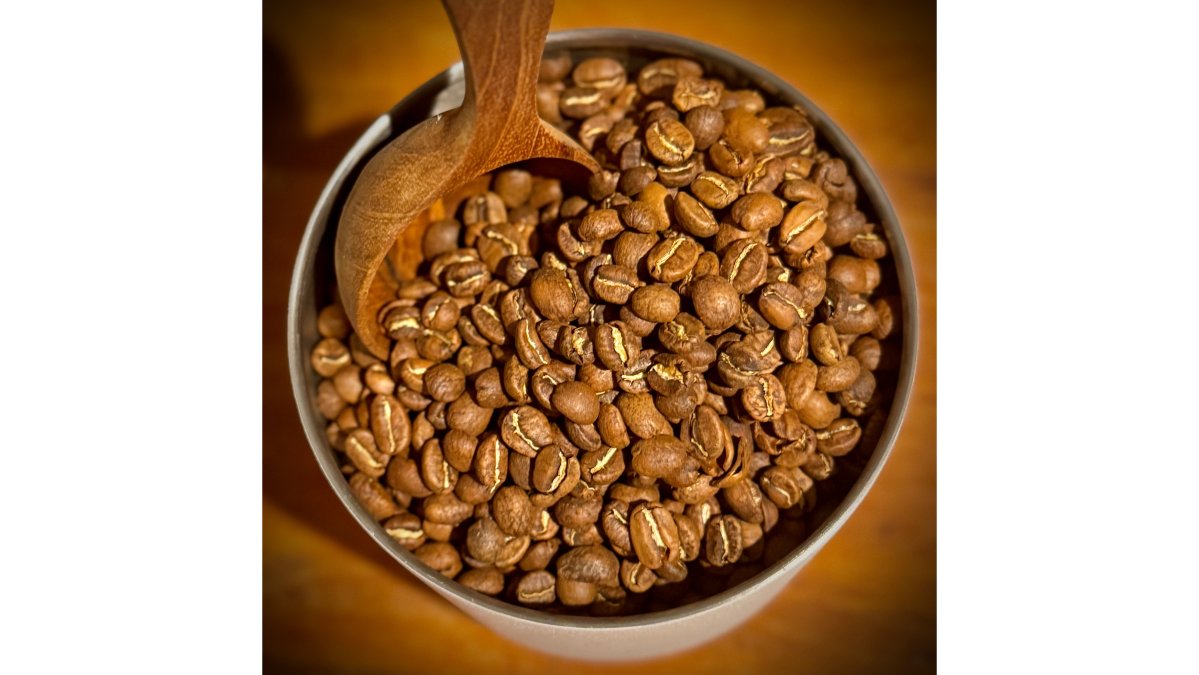
Our signature blend is a Fair Trade, organic medium roast that balances complexity with approachability. Sourced from multiple origins, Bourbon, Caturra, Cataui, and Typica cultivars, grown between 1,400 and 2,200 meters above sea level, this blend delivers notes of brûléed orange, dark chocolate, and toasted almond.
The medium roast preserves origin characteristics while developing the body most people expect from coffee. It works equally well black, with cream, as cold brew, or in espresso-based drinks.
This is our best seller for good reason, it proves that carbon-neutral, ethically sourced coffee doesn't require sacrifice on taste or price. The washed processing method used here is water-intensive but produces the clean, balanced cup many prefer.
Ethiopia Shanta Golba Natural: Single Origin Light Roast
This single-origin Ethiopian coffee showcases what happens when you highlight origin character rather than blend it away. The natural processing method, where fruit dries on the bean before removal, produces a lighter body and brighter acidity than washed coffees.
At $22 per 12-ounce bag, it's priced identically to our Sumatra despite being sourced from a completely different ecosystem.
Light roasts preserve more of the bean's origin flavors and contain slightly more caffeine than darker roasts. This coffee demands attention, it's meant for people who brew carefully and taste deliberately. Very limited supply reflects the exclusivity of this particular lot.
Sumatra Buana Mandiri: Full-Bodied Wet-Hulled Process
The Buana Mandiri cooperative in Sumatra represents a new generation of producers prioritizing sustainability from the ground up. Established in 2014 with 1,300 members farming at 1,200 to 1,400 meters, the group distributes protective equipment, fertilizer, and seedlings while operating their own local mill.
The wet-hulled (giling basah) process is Sumatra's signature method. Beans are hulled while still damp, then dried, a technique that produces the creamy body, gentle acidity, and earthy complexity this region is known for.
At $23 per 12-ounce bag, it matches our other single-origin offerings in price while delivering a completely different experience. Hand-sorted three times for consistency, this coffee represents both quality and Farmer Impact Fund support. Limited availability reflects the small-lot nature of specialty sourcing.
Carbon-Offset Coffee and Verification Methods
Carbon offsets are the mechanism that transforms a coffee with measurable emissions into one that's carbon-neutral. The company calculates total emissions across the supply chain, then purchases offsets equal to that amount.
Offsets fund projects in three main categories: renewable energy installation (solar, wind, hydroelectric), reforestation and forest protection, and methane capture from agricultural or waste sources.
The challenge: not all offsets are created equal. Some projects would have happened anyway (low additionality), others face verification problems, and some have overstated impact claims. This is why third-party certification matters.
Verified offset programs audit projects annually and maintain registries tracking offset retirement. When a company buys offsets, those credits are permanently retired, they can't be sold again.
How to Verify Carbon-Neutral Claims Before Buying
Before you buy carbon neutral coffee online, do a quick verification check. Legitimate claims should be transparent about methodology and backed by documentation you can access.
First, look for the offset certification body. Reputable programs include Verra, Gold Standard, and the American Carbon Registry.
Second, ask for the emissions calculation. A transparent company will publish their methodology, how they measured farm emissions, roasting energy, shipping distance, and packaging impact.
Third, check whether offsets are retired or just purchased. Some companies buy offsets but don't retire them immediately, which means they haven't actually neutralized the emissions yet.
At Surfrider Coffee, we measure our roasting emissions directly through our solar facility's output tracking and purchase verified offsets for sourcing, shipping, and packaging.
Pricing, Taste, and Practical Buyer Guidance
When you buy carbon neutral coffee online, you're typically paying a premium compared to conventional options.
| Coffee | Price per 12oz | Roast Level | Origin | Key Certifications |
|---|---|---|---|---|
| Beach House Blend | $23 | Medium | Multi-origin | Fair Trade, Organic |
| Ethiopia Shanta Golba | $22 | Light | Single-origin | Fair Trade, Organic |
| Sumatra Buana Mandiri | $23 | Medium-Dark | Single-origin | Farmer Impact Fund |
| Beach House for the Office | $90 | Medium | Multi-origin | Fair Trade, Organic |
The $23 price point for single-origin, carbon-neutral, Fair Trade coffee reflects real costs: sustainable farming practices, direct relationships with cooperatives, verified offset purchases, and solar-powered roasting infrastructure.

Taste quality and carbon-neutral status are separate attributes. A carbon-neutral coffee can taste mediocre, and a delicious coffee might not be carbon-neutral.
For office or larger household use, the 5-pound Beach House for the Office bag at $90 reduces per-unit cost while maintaining quality.
The real decision comes down to priorities. If you prioritize taste above all else, buy what tastes best and accept the environmental tradeoff.
Choosing carbon-neutral coffee means supporting roasters who've invested in renewable energy, farmers practicing sustainable agriculture, and offset projects that remove carbon from the atmosphere. When you ORDER COFFEE from Surfrider Coffee, you're getting solar-roasted beans, Fair Trade sourcing, and verified offsets that actually retire carbon, not just purchase it and forget.
Frequently Asked Questions
What does carbon neutral coffee mean?
Carbon neutral coffee means the total greenhouse gas emissions produced across the coffee's supply chain, from farming and processing through roasting, shipping, and delivery, are offset to zero. This is typically achieved through a combination of reducing emissions at the source (using renewable energy, efficient roasting) and purchasing verified carbon offsets that fund environmental projects like reforestation or renewable energy installations. A carbon-neutral claim should be backed by third-party certification or transparent measurement.
How can I tell whether a carbon-neutral coffee brand's claim is credible?
Look for specific documentation: the brand should disclose how emissions were calculated, which offsets were purchased, and provide verification from an independent certifier. Ask whether they measure Scope 1 (direct operations), Scope 2 (energy use), and Scope 3 (supply chain) emissions. Fair Trade and organic certifications add credibility. Avoid brands that claim carbon-neutral status without naming their offset provider or methodology. Surfrider Coffee uses solar-powered roasting and verifiable offset methods.
Does carbon-neutral coffee taste different from regular coffee?
No. Carbon neutrality is an environmental attribute, not a flavor characteristic. Taste depends on bean origin, roast level, processing method, and freshness, not whether offsets were purchased. Surfrider Coffee's Beach House Blend ($23), for example, delivers notes of brûléed orange, dark chocolate, and toasted almond because of its Fair Trade organic sourcing and medium roast profile, not because of its carbon-neutral status. Quality and sustainability are separate qualities that can coexist.
What should I look for when buying sustainable coffee beans online?
Check for Fair Trade and organic certifications, which verify ethical sourcing and farming practices. Review the coffee's origin and elevation, higher-altitude beans often have more complex flavor. Look for transparency about processing methods (washed, natural, wet-hulled) and roast date, not just roast level. Verify carbon-neutral claims with documentation. Compare pricing fairly: sustainable coffee typically costs $20-$25 per 12-ounce bag because of quality sourcing and ethical practices. Single-origin options like Ethiopia Shanta Golba Natural ($22) offer traceability; blends like Beach House Blend ($23) offer consistency and versatility.
Why is online carbon-neutral coffee more expensive than other options?
Premium pricing reflects several factors: Fair Trade certification ensures farmers receive fair wages; organic practices cost more than conventional farming; carbon-neutral roasting using renewable energy (like solar power) requires infrastructure investment; and verified offset programs add cost. These expenses support sustainable farming communities, reduce environmental impact, and ensure quality. Surfrider Coffee's pricing ($22-$23 per 12-ounce bag, $90 for 5-pound bulk) reflects solar-powered roasting, organic sourcing, and verifiable carbon offsets. Bulk purchases like the 5-pound Beach House option reduce per-cup cost while maintaining sustainability.