

Table of Contents
- Why Premium Craft Coffee Beans Stand Out
- Quick Comparison: Premium Craft Coffee Beans at a Glance
- How to Choose Fresh Coffee Beans That Match Your Taste
- Best Coffee Subscription Services for Regular Delivery
- Whole Bean vs. Ground Options: What Works Best
- Sustainable Sourcing Practices and Ethical Impact
- Storage and Preservation Science for Maximum Shelf Life
- Conclusion
- Frequently Asked Questions
Last Updated: October 4, 2026
Why Premium Craft Coffee Beans Stand Out
When you buy premium craft coffee beans online, you're investing in something fundamentally different from mass-produced alternatives. The difference starts with how the beans are sourced, roasted, and handled from farm to cup.
Premium craft coffee beans are grown at higher elevations where cooler temperatures slow bean development, allowing more complex flavor compounds to develop.
The roast date matters more than most people realize. Freshly roasted beans begin degassing immediately after roasting, and their flavor peaks within 2-4 weeks.
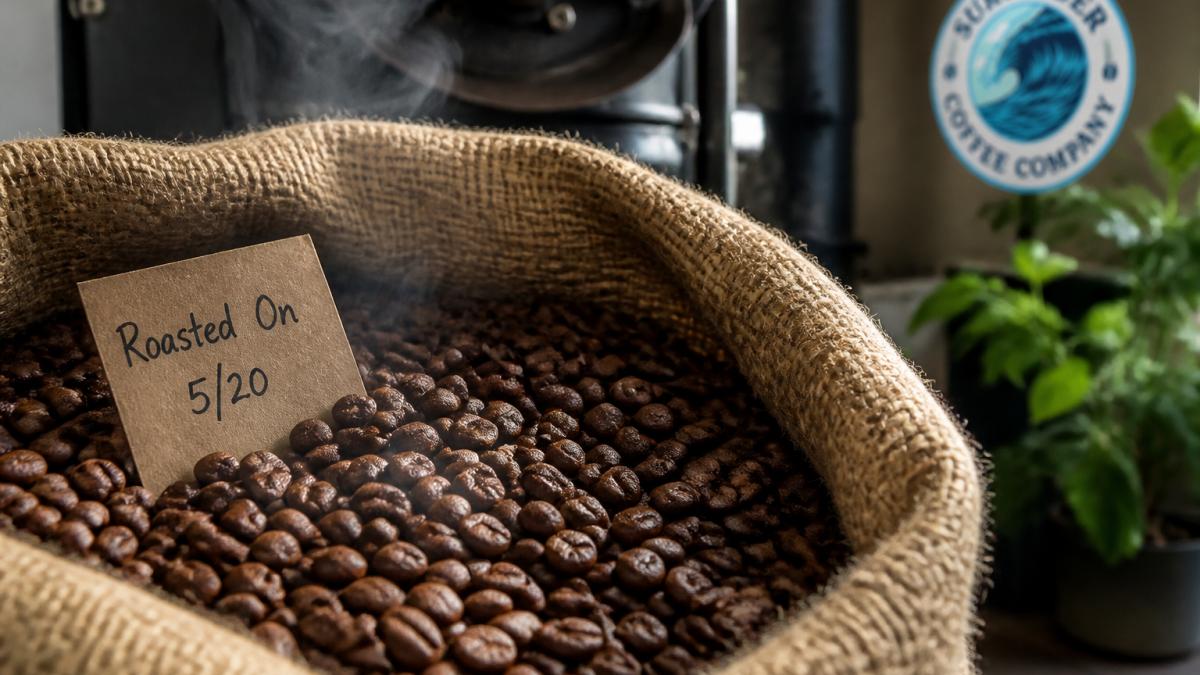
What sets premium craft coffee apart is the intentionality behind every step.
Quick Comparison: Premium Craft Coffee Beans at a Glance
| Coffee Option | Roast Profile | Flavor Notes | Price | Best For |
|---|---|---|---|---|
| Beach House Blend | Medium | Brûléed orange, dark chocolate, toasted almond | $23.00 | Versatile daily drinking |
| Trestles Blend | Light | Praline, raspberry, chocolate truffle | $21.95 | Bright, fruity preferences |
| Mavericks Blend | Medium/Dark | Bittersweet chocolate, candied orange, marshmallow | $21.95 | Full-bodied, espresso drinks |
| Rincon Blend | Medium | Caramel, toffee, dark chocolate | $21.95 | Pour-over, espresso |
| Ethiopian Shanta Golba | Light | Boysenberry, lavender, sweet cream | $22.00 | Single-origin enthusiasts |
| Sumatra Buana Mandiri | Medium | Medjool date, muscovado sugar, vanilla bean | $23.00 | Specialty, limited availability |
| North Shore Blend | Medium/Dark | Bittersweet chocolate, toasted marshmallow, orange | $23.00 | Full-bodied, community impact |
How to Choose Fresh Coffee Beans That Match Your Taste
Selecting the right premium craft coffee beans online requires understanding three interconnected variables: roast profile, origin, and your brewing method. Each influences how the beans will taste in your cup, but the relationship between them matters more than any single choice.

Understanding Roast Profiles and Brewing Method Alignment
Light roasts preserve the bean's origin characteristics and contain higher acidity and brighter, more delicate flavors. They require brewing methods that maximize contact time and water temperature stability. Light roasts excel in immersion methods like AeroPress, where you control extraction precisely.
Medium roasts balance origin character with roasting flavor development. They're the most forgiving across all brewing methods because they tolerate water temperature variation and inconsistent grind size better than light roasts. Medium roasts work equally well in pour-overs, drip machines, French press, and espresso.
Dark roasts emphasize roasting flavor over origin and have lower acidity and fuller body. They excel in espresso, French press, and milk-based drinks where their heaviness stands up to cream or steamed milk.
Single Origin vs. Blends: Terroir and Consistency Trade-offs
Single-origin coffees come from one specific farm, region, or country. They highlight terroir, the environmental factors that shape flavor. Ethiopian Shanta Golba, for example, expresses the unique characteristics of the Sidama region's elevation (5,500-6,500 feet), volcanic soil, and monsoon climate, producing distinctive boysenberry and floral notes.
Blends combine beans from multiple origins to create a specific flavor target and consistency. Roasters craft blends to achieve balance: pairing high-acid beans with low-acid ones, or bright notes with earthy ones.
Choose single origins if you enjoy exploring flavor variation and want to understand how origin affects your cup. Choose blends if you prefer consistency, want a coffee that works across multiple brewing methods, or are building a collection of different flavor profiles.
Water Chemistry and Extraction: The Hidden Variable
Water mineral content dramatically affects how premium beans extract and taste. Soft water (low mineral content, under 50 ppm total dissolved solids) extracts too quickly, producing sour, under-extracted coffee. Hard water (high mineral content, over 150 ppm) extracts too slowly, producing flat, over-extracted coffee.
If you have very soft water (common in some regions), light roasts will taste excessively sour. Choose medium or dark roasts, or add a pinch of mineral-rich salt to your water. If you have very hard water, light roasts may taste flat. Consider using filtered water or a water softener, or choose dark roasts that tolerate slow extraction better.
This single variable often explains why the same coffee tastes different in different homes.
Freshness Guarantee and Roast Date
When you buy premium craft coffee beans online, the roast date is your most important quality indicator. Coffee begins losing flavor immediately after roasting as it degasses and oxidizes. Beans roasted 2-4 weeks ago are in their prime. Beans roasted 2 months ago will taste noticeably flat and stale.
Look for roasters who list the exact roast date on the bag. Avoid any coffee that doesn't display this information, it's usually a sign the beans have been sitting on a shelf for months.
Storage matters after you receive your order. Keep beans in an airtight container away from heat, light, and moisture. Whole beans stay fresh for 4-6 weeks when stored properly. Ground coffee degrades faster; grind only what you'll use within a few days.
Best Coffee Subscription Services for Regular Delivery
A subscription service removes the friction of reordering and ensures you never run out of fresh beans. The best services ship on a schedule you control and allow you to rotate between different roasts.
Surfrider Coffee offers flexible ordering where you choose your roasts and delivery frequency. You can select different blends each month, Beach House one month, Trestles the next, and pause or adjust your subscription anytime. This approach gives you variety without forcing you into a locked-in plan.
When evaluating subscription services, look for these features:
- Flexible pause and skip options (not locked-in commitments)
- Ability to change coffee selections each shipment
- Clear roast dates on every bag
- Transparent sourcing information
- Reasonable shipping costs or free shipping thresholds
Many subscription services lock you into the same coffee every month, which gets boring fast. The best services let you explore different roasts while maintaining the convenience of automatic delivery.
Whole Bean vs. Ground Options: What Works Best
Whole beans stay fresh significantly longer than ground coffee. Once you grind beans, you expose far more surface area to oxygen, accelerating the breakdown of flavor compounds.
BEACH HOUSE brûléed orange, dark chocolate, toasted almond →
If you own a burr grinder, buy whole beans. The slightly longer prep time is worth the flavor difference. Burr grinders crush beans evenly, producing consistent particle size that extracts properly.
Ground coffee makes sense only if you lack grinding equipment or need maximum convenience. Pre-ground coffee works acceptably for drip machines and French press, though the flavor won't match freshly ground beans.
Surfrider Coffee offers both whole bean and ground options. If you're serious about flavor, start with whole bean. If you're just getting into specialty coffee and don't have a grinder yet, ground works fine as a starting point.
Sustainable Sourcing Practices and Ethical Impact
When you buy premium craft coffee beans online, you're supporting farming communities and environmental conservation. Sustainable sourcing isn't just a marketing label, it represents real practices that affect both quality and impact.
Fair Trade certification ensures farmers receive a minimum price regardless of market fluctuations, providing stability for long-term farm investment. Organic certification prohibits synthetic pesticides and fertilizers, protecting soil health and water quality.
Direct trade relationships cut out middlemen, allowing roasters to pay farmers premium prices while building long-term partnerships.
Surfrider Coffee sources through partners like Unravel Coffee Merchants and Ardent Coffee export, who work directly with farming communities.
Carbon-neutral roasting adds another layer of environmental responsibility. Surfrider Coffee uses solar energy and carbon-neutral roasting methods, reducing the environmental footprint of every bag you purchase.
Storage and Preservation Science for Maximum Shelf Life
Coffee degrades through four primary mechanisms: oxidation, moisture absorption, heat exposure, and light exposure. Understanding these helps you keep beans fresh longer.
Oxidation happens when oxygen contacts the beans' oils and compounds. Airtight containers slow this dramatically.
Moisture accelerates flavor loss and promotes mold growth. Store beans in a dry environment, away from the kitchen sink or dishwasher. Humidity above 70% degrades beans quickly.
Heat speeds chemical breakdown. Room temperature (65-75°F) is ideal. Never store coffee above the stove, on a sunny windowsill, or in a warm cabinet.
Light, especially UV light, breaks down flavor compounds. Opaque containers outperform clear glass jars.
Grind only what you'll use within a few days. Ground coffee oxidizes rapidly, losing flavor and aroma. Even in an airtight container, ground coffee peaks within 3-5 days.
Conclusion
Buying premium craft coffee beans online means prioritizing freshness, sourcing transparency, and flavor complexity over convenience and price. The roast date matters more than origin alone. Whole beans outperform pre-ground options. Sustainable sourcing practices support farming communities and environmental conservation.
At Surfrider Coffee, we roast to order using solar energy and carbon-neutral methods, delivering beans at peak freshness with full sourcing transparency. Our blends like Beach House and Rincon offer versatility across brewing methods, while single origins like Ethiopian Shanta Golba let you explore how geography shapes flavor. ORDER COFFEE and experience the difference that intentional sourcing, careful roasting, and sustainable practices make in every cup.
Frequently Asked Questions
What makes premium craft coffee beans different from standard grocery store coffee?
Premium craft coffee beans come from specialty roasters who focus on single-origin or carefully curated blends, often roasted in small batches to preserve freshness. These beans are sourced directly from farms, allowing roasters to control quality at every step. Specialty coffee emphasizes tasting notes, cupping scores, and roast profiles tailored to highlight each bean's unique characteristics. Standard grocery coffee is typically mass-produced, blended from multiple origins, and roasted weeks or months before purchase, resulting in stale, flat flavors. Craft roasters also prioritize traceability and sustainability, ensuring you know exactly where your coffee comes from.
How should I store premium coffee beans to keep them fresh?
Store whole beans in an airtight container away from direct sunlight, heat, and moisture. A cool, dark cupboard works better than the refrigerator or freezer, which can introduce condensation and degrade flavor. Keep beans in their original bag if it has a one-way valve, which allows degassing while blocking oxygen. Use beans within 2-4 weeks of the roast date for optimal freshness. Ground coffee degrades faster than whole beans, so grind only what you'll use within a few days. Avoid storing beans near strong odors, as coffee absorbs aromas easily.
What's the difference between light roast, medium roast, and dark roast?
Light roasts are removed from the roaster before the first crack, preserving bright acidity and complex, fruity tasting notes. Medium roasts reach the first crack, balancing acidity with body and developing caramel sweetness. Dark roasts are roasted past the first crack, producing lower acidity, fuller body, and bolder, sometimes smoky flavors. Light roasts highlight the origin's unique characteristics, while dark roasts emphasize roast-level flavors. Your choice depends on brewing method and taste preference: light roasts excel in pour-overs, medium roasts work well for espresso and drip coffee, and dark roasts suit French press and cold brew.
Are single-origin coffees better than blends?
Neither is objectively better; it depends on your preference. Single-origin coffees showcase the distinctive flavors of a specific farm or region, with clear tasting notes and terroir expression. They're ideal if you want to explore different flavor profiles and understand how geography affects taste. Blends combine beans from multiple origins to create balanced, consistent flavor profiles that often work well across different brewing methods. Blends can smooth out any extreme characteristics while delivering complexity. Premium craft roasters excel at both: single-origins highlight regional uniqueness, while blends offer versatility and approachability.
How do I know if coffee beans are truly carbon-neutral and sustainably sourced?
Look for transparent sourcing information: roasters should specify the farm, cooperative, or region and explain their sourcing practices. Certifications like Fair Trade, Organic, or direct-trade partnerships indicate commitment to farmer welfare and environmental practices. Carbon-neutral claims should be backed by specific details about how emissions are offset (renewable energy use, reforestation programs, etc.). Ask roasters directly about their supply chain and sustainability methods. Premium craft roasters typically publish detailed sourcing stories on their websites and packaging, showing exactly where beans come from and the impact of your purchase on farming communities.